 Congratulations to the 2026 Rural Voices Youth Contest winners!
Two high school seniors from North Central Kansas have been named winners of the 2025-2026 Rural Voices Youth Contest. Lainey Peschka, a senior at Ellsworth Junior/Senior High School, and Grant Rice, a senior at Minneapolis Junior/Senior High School, submitted the winning entries for this year’s contest. Each recipient will receive a $1,000 scholarship and the honorary John R. Cyr Rural Voices Award, named after Cyr, who served as the NCRPC Executive Director for 22 years.
The NCRPC has sponsored the contest since 2006 and has awarded more than $35,000 to high school seniors from across the region. High school seniors from the 12 counties in the NCRPC primary service area — including students from Clay, Cloud, Dickinson, Ellsworth, Jewell, Lincoln, Marshall, Mitchell, Ottawa, Republic, Saline, and Washington counties — were eligible to submit an original essay or video expressing their perspectives on the contest theme for 2025-2026, “Rural Kansas…Tomorrow’s Possibilities.” Learn more about the contest.
Rural Kansas: Tomorrow’s Possibilities
By Lainey Peschka
In 2026, very few gave a second thought to returning to a small town in rural Kansas. In fact, during my senior year of high school, nearly every conversation revolved around leaving. Whether it was leaving for college, future job opportunities, or cities that promised more excitement and opportunity. My classmates were ready to move on and not come back, and if I am being honest, I shared the same mindset. I was ready to graduate, excited to move on, and fully convinced that a better future existed somewhere else.
Now, fifteen years later, I overlook the very town I once could not wait to leave. I smile to myself because instead of fading away, like many thought it would, it is now growing and vibrant. This town did not just survive, it thrived. It transformed into a place where people can build successful careers, raise their families, form meaningful friendships, and create lives they once believed were only possible elsewhere. As I close my eyes, I ask myself how we got here. The answer, I believe, lies in those who are willing to invest in these small towns. The power to change the future of rural communities has always started with the people living in them.
I was a senior in high school when I first stumbled across what I believe holds the answer to shaping the future of rural Kansas communities. While reading “A Wealth of Opportunity” in the Northwest Kansas Today magazine, I was shocked at the realization of how simple, yet powerful the proposed change could be. The article, written by Betsy Wearing, explains how small financial gifts could create a tremendous long-term impact. She discusses how if current residents created a legacy gift of just five percent in their estates to local community foundations, rural Kansas communities would gain the resources needed to create lasting and meaningful change.
This idea stuck out to me because I believe these legacy gifts to the community represent so much more than money. They represent a belief that those who leave them believe in the future of the place they called home. Choosing to give back in this way is an intentional choice that says your community matters enough to invest in its future beyond your lifetime. Rural towns often receive a negative stigma for not having much to do, a place where even a simple shopping trip or grocery run requires a thirty minute drive. In reality, they are also a place where communities gather for Friday night football games, where people support the local coffee shops, where parents volunteer for field trips to the zoo, and where friends drive around on country roads looking at the thousands of stars the city could never allow. Investing in these communities ensures our hometowns will continue to thrive long after we are gone. While some may think they are destined to decline or they will never amount to anything, we have the power to assure our homes are places worth living in.
Using numbers helps to understand just how much of a difference giving five percent can truly make. According to Wearing, leaving just five percent of estates would mean that by 2072 approximately $500 million in grants would be available every year to those counties. With this amount of money each year, the possibilities are nearly limitless. These funds could support small business development and improve schools by keeping facilities updated, as well as improve infrastructure, healthcare, and new technology in our communities. Foundations could offer more scholarships to students who are passionate about pursuing secondary education. Grants could be given to businesses, farmers, athletic departments, and so many more. It would offer stability and freedom amongst our communities, and the hope of truly changing the negative stigma surrounding rural towns.
The concept of everyone collectively stepping up to make a difference changed the way I view leadership in our community. Before, I always thought leadership involved a title. Whether it was being the mayor, principal, or even captain of a varsity team, I associated leadership with a position. However, now I understand that leadership is the shared responsibility of all of us. Every community member, with or without a title, has the opportunity to step up and contribute to the future of our rural communities.
As someone majoring in accounting and finance, I see an opportunity to educate people on the lasting difference they can truly make. Using numbers and giving examples like the ones above, I believe it truly helps to show how much of an influence they can have in their local communities. I hope I can encourage others to see how small decisions can create an endless amount of possibilities for generations to come.
As I stand here fifteen years later, I open my eyes and once again overlook the town that I once thought was too small for the career and life I dreamed of. Now, I see a Main Street filled with thriving businesses, restaurants that hold friends sharing a meal as they talk about their best childhood memories in this town, a school that is modern and full of eager students, and new parks filled with the sound of children’s laughter. I realize now that success never meant leaving my home behind, it meant stepping up and finally initiating a change. This transformation did not happen by accident. It happened because people saw the possibilities of what their community could become and chose to believe in it. Rural Kansas is no longer a place where people are desperate to leave, but a place they are excited to return to.
So yes, fifteen years later, I can confidently say the answer to bringing lasting, positive change to our communities starts with those living in them. It required commitment, vision, and courage, and wasn’t always easy. It started with a few individuals who believed in a better outcome for rural towns and chose to give a little back to the place that gave them a home. Now, generations later, we were able to truly change the future for the better.
References
Wearing, B. (2025). A Wealth of Opportunity. Northwest Kansas Today, 7 (1), 18-21.
Building a Stronger Rural Kansas Through Leadership, Opportunity, and Investment in
Youth
By Grant Rice
Growing up in rural Kansas has shaped my values, my work ethic, and my vision for the future. In a small community, people learn early that success is built on responsibility, trust, and a willingness to step up when something needs to be done. Rural Kansas is not just where I live, it is where my family is, where my friendships were formed, where my business began, and where I plan to invest my leadership for the rest of my life. The relationships I have built in my hometown and surrounding communities have taught me that real change does not come from outside influence alone; it comes from people who are willing to stay, serve, and lead from within. If I had the power to shape the future of rural Kansas, I would focus on strengthening communities through education, entrepreneurship, quality housing, youth development, and long-term investment in people.
Five years from now, I envision rural Kansas as a place where young people see opportunity rather than limitation. Too often, students in small towns believe they must leave to find success. My goal is to help change that mindset by proving that education, innovation, and leadership can thrive in rural communities. Even while still in high school, I have owned and operated my own construction business, completing more than forty projects for local customers. Each project, whether a remodel, repair, or improvement, has strengthened homes, increased property value, and improved safety and pride throughout the community. These experiences have shown me that meaningful work creates visible change and that entrepreneurship can be a powerful tool for rural development.
In the next five years, I plan to continue expanding this work while completing my education. I will graduate high school while earning an associate degree in Applied Construction Technology, then complete a bachelor’s degree in Applied Business or Technology Leadership through an online program. This path allows me to remain in my community while applying what I learn directly to my business. Education should not pull young leaders away from rural Kansas; it should equip them to reinvest their skills locally. By combining hands-on experience with formal education, I will be able to operate more efficiently, manage projects responsibly, and serve customers with professionalism and integrity.
Ten years from now, I see rural Kansas with revitalized housing, growing local businesses, and stronger support systems for families and youth. Housing is one of the greatest challenges facing rural communities. Aging homes, limited renovation, and a lack of new development discourage families from settling in small towns. Through my construction business and plans to flip houses, I aim to directly address this issue. By renovating existing homes and investing in neglected properties, I can help improve safety, increase housing availability, and make rural communities more attractive places to live and raise families. Strong housing creates stability, and stability creates growth.
My leadership in this area will be practical, ethical, and long-term. I plan to earn my contractor’s license, real estate license, and home inspector’s license so I can approach development from multiple perspectives. This combination will allow me to manage projects responsibly, ensure quality workmanship, and guide buyers and sellers with honesty and transparency. In rural Kansas, reputation matters. Leadership means doing the job right, standing behind your work, and placing the long-term health of the community above short-term profit.
Alongside business development, youth mentorship and coaching are central to my vision for rural Kansas. For the past four years, even while still in high school, I have coached a youth travel baseball team and provided individual lessons outside of scheduled practices. Through this experience, I have learned that quality coaching is about more than teaching skills; it is about building confidence, discipline, accountability, and character. In rural communities where opportunities and resources can be limited, strong coaching can change the direction of a child’s life.
Quality youth programs give kids a place to belong, adults to look up to, and lessons that extend far beyond the field or court. I have seen how consistent guidance and encouragement can shape a child’s work ethic, leadership ability, and self-belief. As a leader, I believe investing in youth is one of the most important responsibilities anyone can have. Strong communities begin with strong young people, and strong young people are developed through mentorship, structure, and opportunity.
Looking fifteen years into the future, my vision for rural Kansas expands even further. One of my long-term goals, and ultimately my retirement dream, is to build a large warehouse-style sports facility in a rural community. This facility would include space for baseball training, basketball courts, football turf, and a full workout and conditioning center. My goal is to bring a high-quality athletic environment to a rural area where access to this level of training is rare. This would allow local athletes to develop their skills without needing to travel long distances to larger cities.
This facility would serve as more than just a training space; it would be a community hub. It would provide opportunities for youth to receive high-level instruction, stay active year-round, and build relationships with mentors who care about their growth. I plan to personally invest in coaching, giving lessons, mentoring athletes, and creating programs that focus on both athletic development and personal character. By offering camps, team training, and individual instruction in a rural setting, I hope to show that small towns can support high-level opportunities.
My hope is that this facility would also inspire others to invest in similar projects across rural Kansas. If one community can succeed, others will follow. This type of development could lead to improved youth sports programs, healthier lifestyles, stronger community pride, and increased economic activity. Families would no longer feel forced to leave rural areas to find opportunities for their children. Instead, opportunity would exist right at home.
Agriculture will always remain the backbone of Kansas, and my work supports that foundation. Farmers, ranchers, and agricultural businesses depend on strong infrastructure, safe housing, and reliable facilities. By providing quality construction services and reinvesting locally, I can help support the families and industries that sustain rural communities. My leadership will strengthen not only individual towns, but the broader rural economy.
At the core of my vision for rural Kansas is sustainability. Sustainable communities are built when people choose to stay, invest, and serve. Leadership is not about position or recognition; it is about responsibility. It is about seeing a need and choosing to act. Whether through building homes, mentoring youth, coaching athletes, developing businesses, or creating community facilities, I want my leadership to create lasting, positive change.
If I have the power to shape the future of rural Kansas, I will do so by staying rooted, working hard, and giving back. Through education, entrepreneurship, coaching, and a deep commitment to youth and community development, I hope to help build a rural Kansas that is strong, vibrant, and full of opportunity for generations to come. My vision is not just for my success, but for the success of every young person who grows up believing that rural Kansas is not a limitation, but a place where dreams can grow, leadership can thrive, and the future can be built.




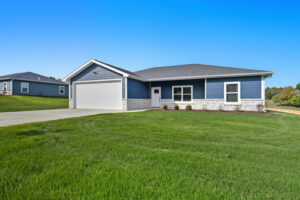
 Kansas businesses, nonprofit organizations, and entrepreneurs are eligible to benefit from no-cost, short-term projects completed by students in areas such as business, communications, finance, information technology, marketing, research, and social media.
 Courtland, Kansas, will serve as the hub of activity June 24-26 as it hosts the annual Connecting Entrepreneurial Communities (CEC) conference. The event focuses on fostering an entrepreneurial mindset in rural areas and is a collaborative effort among Kansas State University, Network Kansas, the Kansas Department of Commerce, the Kansas Department of Agriculture, and local partners. A pre-conference event will be held the evening of June 24, followed by workshop sessions June 25-26.
 The North Central Regional Planning Commission is once again accepting nominations for the NCRPC Lifetime Public Service Award.
 Duis Automotive LLC has been serving the Hanover community and surrounding areas since 2018, helping keep vehicles and farm machinery running reliably.
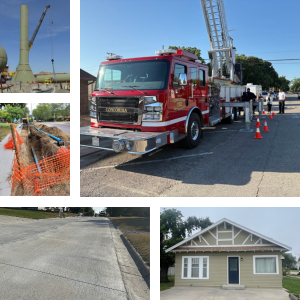 Public Also Invited to Attend North Central Regional Planning Commission Strategy Session Following CDBG Road Show
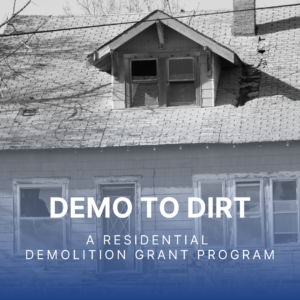 A new housing initiative launched in several counties in North Central Kansas this Fall, aimed at addressing the issue of dilapidated residential structures. The “Demo to Dirt” program provides financial assistance to help property owners remove unsafe or blighted housing, contributing to safer neighborhoods and enhancing the overall appearance of communities.
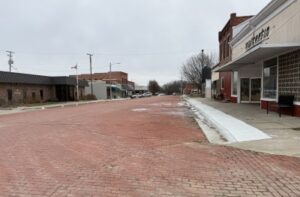
 There are many great things happening in North Central Kansas. Project Spotlight shares stories from communities around the region and how they solved challenges. View more at
  Over the past year, the NCRPC has served as fiscal sponsor for the Kansas Housing Cooperative Loan Program. The program provides forgivable loans to developers, builders, and/or homeowners to address increasing housing costs and appraisal gaps that present a barrier to home ownership or affordable rental housing. Funding for the program is provided by the Dane G. Hansen Foundation, State of Kansas, and local communities.